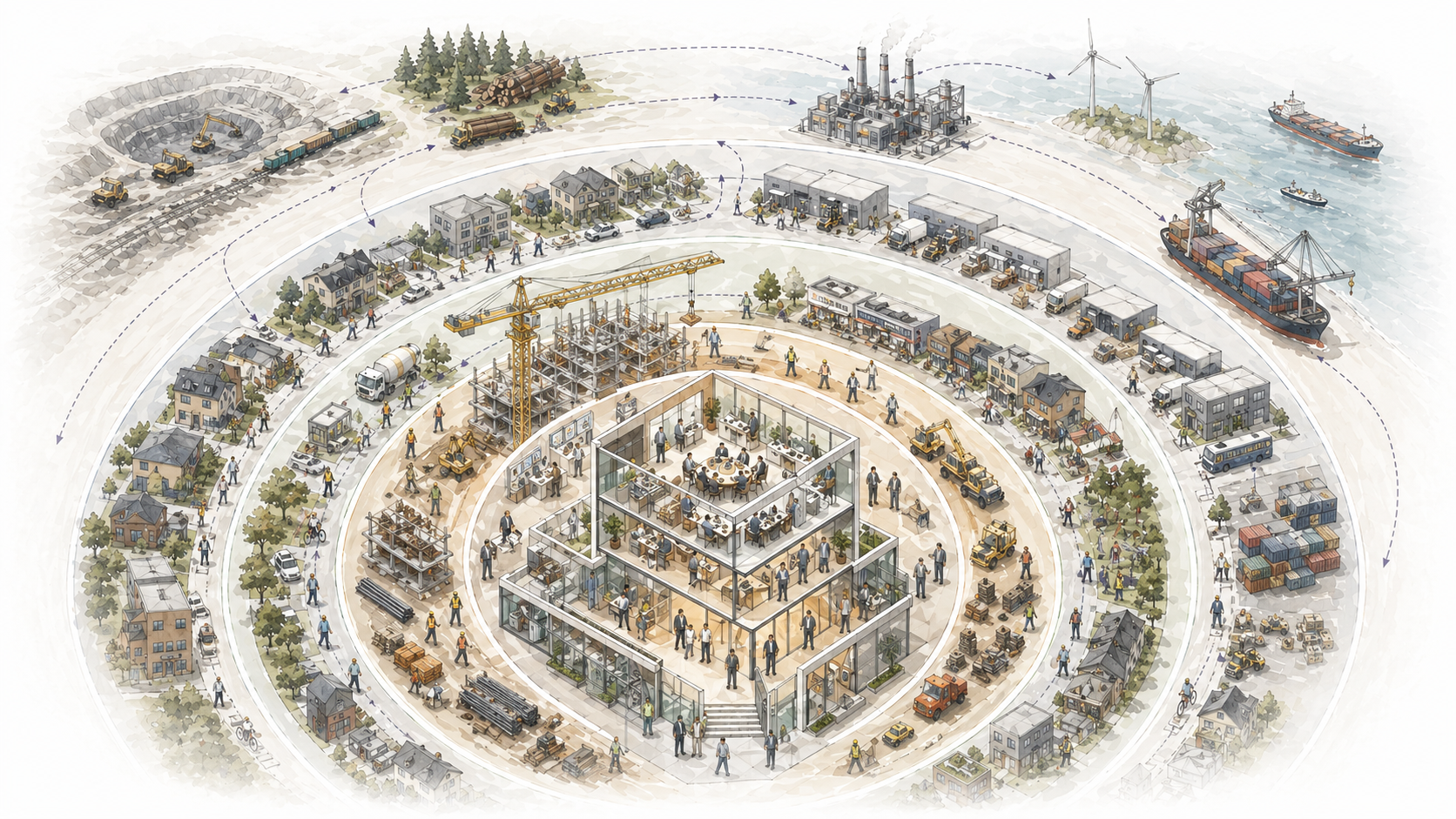
How does a building impact the people it touches?
It's a fair question, and not one we always ask. Every building is a series of decisions about people, made long before the site is selected and felt far beyond the property line. Social equity asks whether those decisions were intentional and fair.
The concept
Every building is a set of decisions about people
Who gets paid a living wage to clean the floors? Who breathes the dust during construction? Whose neighborhood absorbs the traffic and noise? Which communities mine the raw materials?
These aren't abstract questions. They have dollar amounts, health outcomes, and real people attached to them.
LEED measures environmental performance. WELL measures occupant wellness. SEAM measures the equity of every relationship a building creates. That is what social equity in the built environment means, and what the SEAM Standard was built to make measurable.
"A building is more than a structure. It's a supply chain, a labor market, a neighborhood force, and a set of choices about who matters."

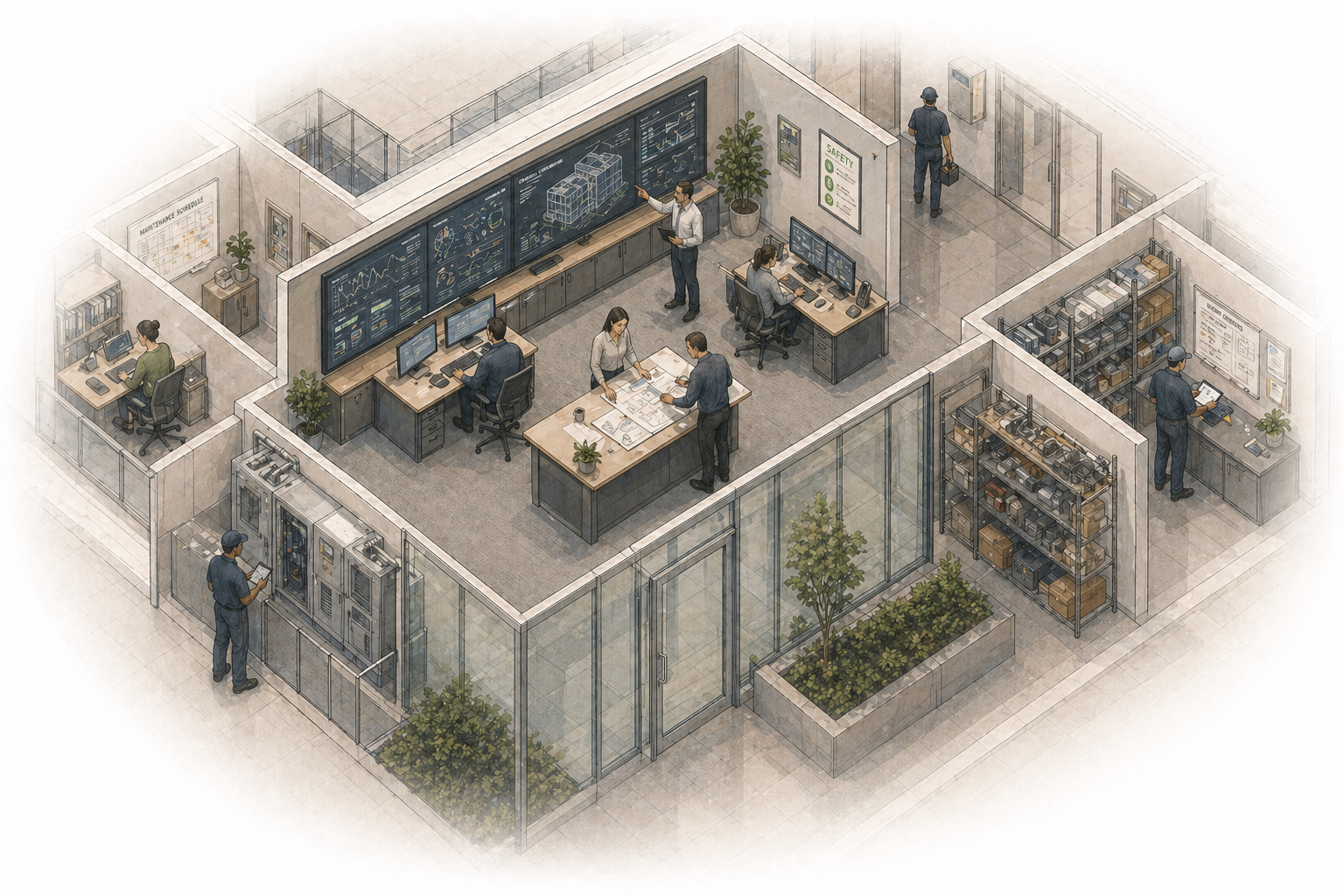
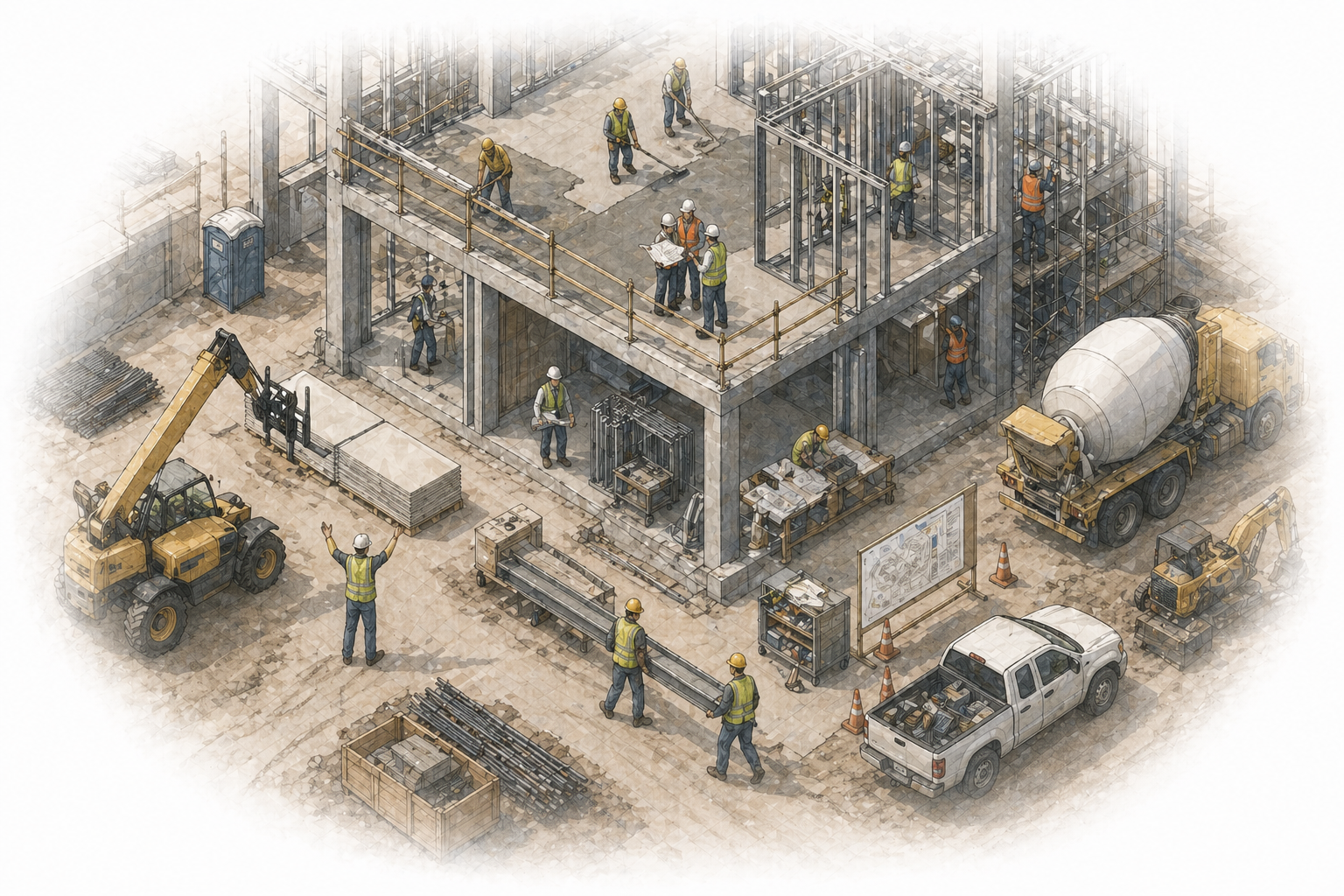
"The further from the lobby, the less we ask about fairness."
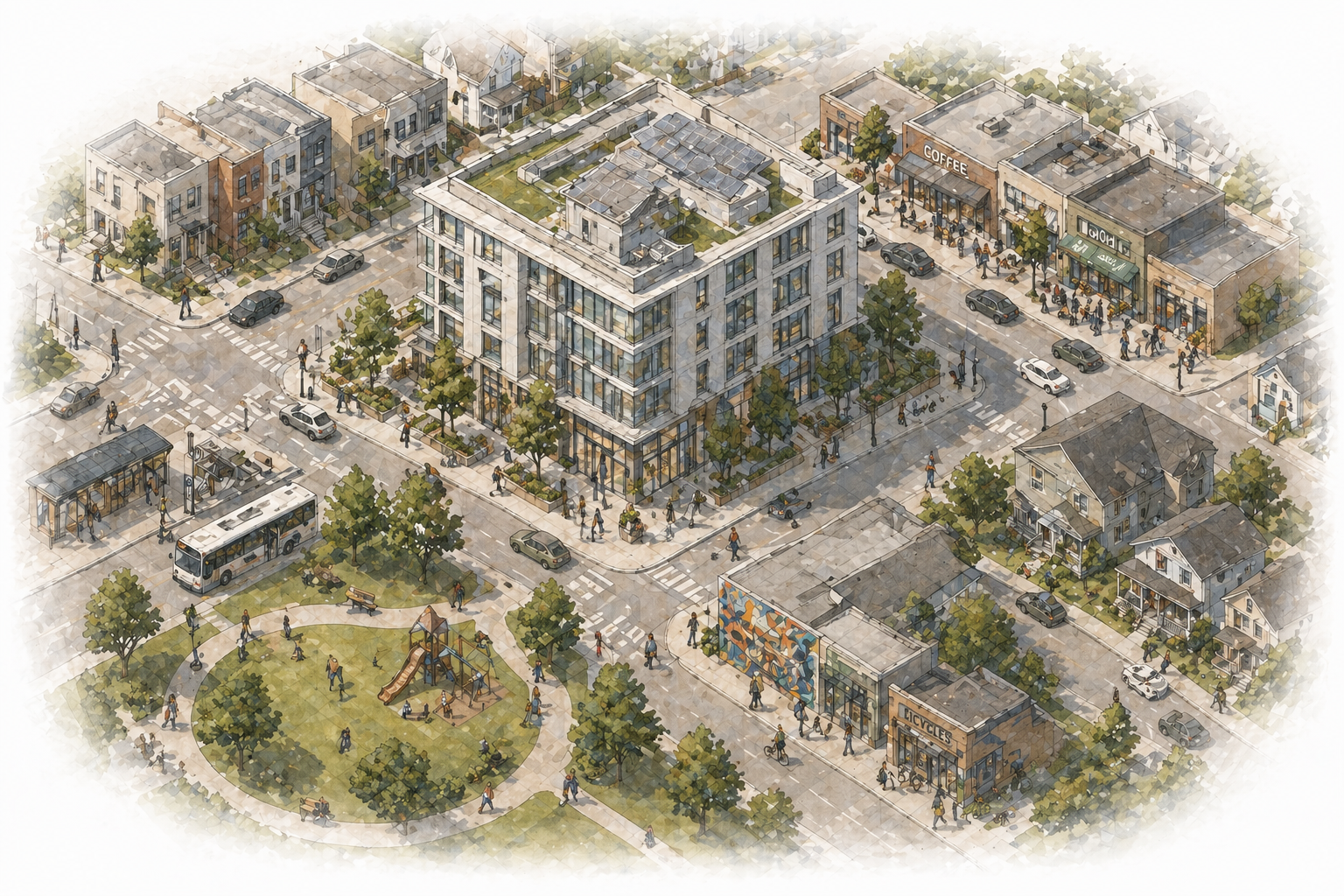

At the deepest end of the supply chain, the human cost gets harder to see, and harder to dismiss.

Common questions, honest answers
Here are the four we hear most often.
"This sounds expensive."
Buildings already carry social costs. They're just externalized. When a janitor relies on Medicaid because the building's service contract doesn't include health insurance, taxpayers cover the difference. When construction workers are misclassified as contractors, the cost of injuries shifts to public systems. SEAM doesn't add cost. It makes existing costs visible and gives you a framework to manage them.
"Isn't this what ESG covers?"
ESG is a reporting framework. It tells investors what a company discloses about its impacts. SEAM is an operating standard. It defines specific practices, sets measurable thresholds, and requires third-party verification. ESG measures disclosure. SEAM measures practice. They're complementary, but they answer different questions.
"My tenants don't care about this."
The market is already pricing social performance into real estate decisions. Certified green buildings consistently demonstrate lower vacancy and stronger tenant retention, and command 4–8% rent premiums.28 Corporate tenants increasingly require social impact data for their own ESG reporting. The question is no longer whether tenants care. It's how soon your building will be expected to prove it.
"You can't measure this."
Hard, but not impossible. SEAM uses scored activities. Each activity is a documented practice with a defined threshold, verified through documentation review, worker surveys, and third-party audits. It's the same model that made LEED and WELL credible: define what "good" looks like, require evidence, and let an independent reviewer confirm it.
The framework
Four pillars of social equity
SEAM organizes social equity into four measurable domains, each with scored activities and verification requirements.
Social Impact
Know who your project affects — and whether it is working.
Social Responsibility
Walk the talk on governance, community, and investment.
Social Justice
Equity across procurement, the workplace, and capital access.
Social Accountability
Human rights, ethical sourcing, and worker well-being.
Where to go from here
Deep dive
Read the Standard
The full SEAM framework — pillars, scored activities, and verification requirements.
Business case
See the business case
Rent premiums, tenant retention, litigation reduction, and ESG alignment — the numbers that matter.
Take action
Start a project
Enroll a building, connect with a SEAM advisor, and begin the certification process.
Sources
- Seyfarth Shaw, "ADA Title III Federal Lawsuit Numbers," 2024 Year-End Report
- Kingma & van Marken Lichtenbelt, "Energy consumption in buildings and female thermal demand," Nature Climate Change, 2015
- Karjalainen, "Thermal comfort and gender: a literature review," Indoor Air, 2012
- U.S. Department of Labor, "PUMP for Nursing Mothers Act," 2022; Society for Human Resource Management, "Employee Benefits Survey," 2019
- Kim & de Dear, "Workspace satisfaction: The privacy-communication trade-off in open-plan offices," J. Environmental Psychology, 2013
- Bureau of Labor Statistics, Occupational Employment and Wage Statistics (SOC 37-2011), May 2024
- CommercialCafe / CoStar, U.S. Office Market Trends, 2024
- Bureau of Labor Statistics, "Employee Benefits in the United States," March 2025
- OPM, "Night Pay for General Schedule Employees"; BLS, ECEC supplemental pay data
- Bureau of Labor Statistics, Occupational Employment and Wage Statistics (SOC 33-9032), May 2024
- Bureau of Labor Statistics, Census of Fatal Occupational Injuries, 2024
- Economic Policy Institute, "(In)dependent Contractor Misclassification," 2020
- BLS / EPA, Heat-Related Workplace Deaths data; CPWR Data Bulletin, 2025
- Economic Policy Institute, "Measuring diversity in construction apprenticeship programs," 2023; IWPR Apprenticeship Report, 2024
- FHWA, Highway Construction Noise Handbook, 2006
- EPA, "Information on Levels of Environmental Noise Requisite to Protect Public Health and Welfare," 1974
- Damiano & Frenier, "Build baby build? Housing submarkets and the effects of new construction on existing rents," J. Urban Affairs, 2026
- Institute of Transportation Engineers, Trip Generation Manual (Land Use Code 710), 11th Ed.
- Kensek, "Solar Access Zoning + Building Information Modeling," ASES
- Fair Labor Association, "Supply Chain Transparency"
- JLL, Global Office Fit-Out Cost Guide, 2025
- BuildingGreen, "The Product Transparency Movement," 2014
- USGBC, "Building Product Disclosure and Optimization," LEED v4 credit
- NIOSH, "Health Effects of Occupational Exposure to Respirable Crystalline Silica," Publication 2002-129
- Global Witness, "Critical mineral mines tied to 111 violent incidents and protests on average a year," 2025
- IEA, "Emissions Measurement and Data Collection for a Net Zero Steel Industry," 2023; World Steel Association, 2025
- Global Rights Compliance, reported in The Diplomat, "Western Supply Chains Tied to Uyghur Forced Labor in China's Critical Minerals Boom," 2025
- CBRE, "Green Is Good: The Enduring Rent Premium of LEED-Certified U.S. Office Buildings," 2022; Fuerst & McAllister, 2009
Frequently asked questions
What is social equity in the built environment?
Social equity in the built environment means that the benefits and burdens of a building are distributed fairly among everyone it touches — from the people who use the space daily to the communities that supply its raw materials. It examines wages, working conditions, health impacts, community displacement, and supply chain labor practices as measurable outcomes of how a building is designed, built, and operated.
Who is affected by a building's social impact?
Every building touches at least six groups of people: occupants who use the space daily, operators who maintain and service it, builders who construct it, neighbors who live and work around it, suppliers who manufacture its materials, and the laborers in extraction communities where raw materials originate. Most building standards only address one or two of these groups.
What is SEAM certification?
SEAM is the first certification system built to measure social equity in the built environment. It evaluates buildings across four interdependent pillars — Social Impact, Social Responsibility, Social Justice, and Social Accountability — through scored activities and third-party verification, resulting in a rating from Bronze through Platinum.
How is SEAM different from LEED and WELL?
LEED measures environmental performance. WELL measures occupant health and wellness. SEAM measures social equity — the fairness of a building's relationship with all the people it touches, including workers, neighbors, supply chains, and extraction communities. SEAM is complementary to both systems and designed to work alongside them.
How is social equity different from ESG?
ESG (Environmental, Social, and Governance) is a reporting framework — it tells investors what a company discloses about its impacts. Social equity certification through SEAM is an operating standard — it defines specific practices, sets measurable thresholds, and requires third-party verification. ESG asks "did you report it?" SEAM asks "did you do it?"
Can social equity be measured?
Yes, though it requires different metrics than environmental performance. SEAM measures scored activities like living wage commitments, benefits coverage rates, supplier audit completion, community impact assessments, and grievance resolution timelines. These are verified through documentation review, worker surveys, and third-party audits — similar to how LEED verifies energy performance.
What are the four pillars of social equity in the SEAM Standard?
The SEAM Standard organizes social equity into four measurable pillars: Social Impact (understanding who your project affects), Social Responsibility (governance, community engagement, and reinvestment), Social Justice (equity across procurement, the workplace, and capital access), and Social Accountability (human rights, ethical sourcing, and worker well-being). All four pillars are interdependent — a building must demonstrate performance across each one.
Does social equity certification add cost?
Buildings already carry social costs — they are just externalized onto workers, neighbors, and supply chain communities. SEAM certification internalizes some of these costs while generating measurable returns: certified buildings see 51% less tenant turnover, 4–8% rent premiums, and reduced litigation exposure. The certification fee itself is comparable to LEED or WELL.
What is the ROI of social equity in real estate?
Certified green and socially responsible buildings consistently command 4–8% rent premiums, demonstrate lower vacancy rates, and see 51% less tenant turnover. Corporate tenants increasingly require social impact data for ESG reporting, making social equity credentials a competitive advantage in leasing. The ROSSI Calculator from SEAM quantifies these returns at the project and portfolio level.